About Trench Clearing Services for Property Owners
Visitors will learn about trench clearing services offered by local contractors and how to compare options for their project needs.
- - Residential property owners seeking to clear blocked or overgrown trenches on driveways, yards, or gardens.
- - Commercial sites requiring trench clearing to maintain proper drainage or prepare for construction projects.
- - Landscaping or excavation projects that involve removing debris, roots, or obstructions from underground trenches.
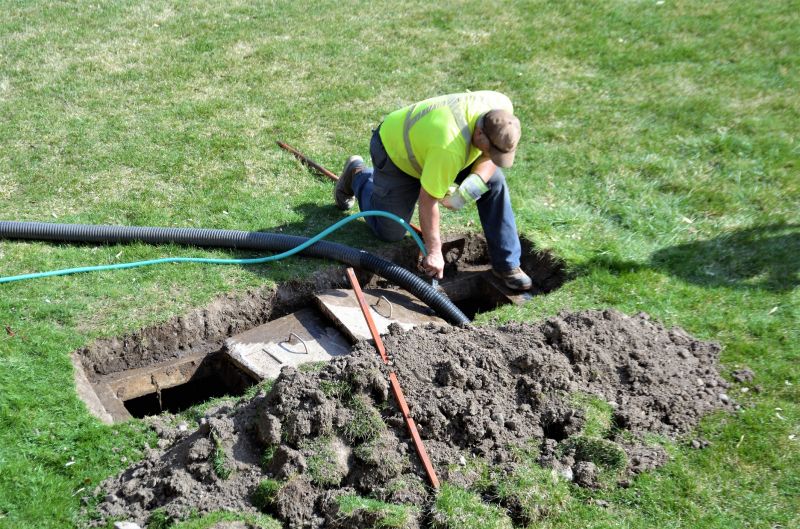
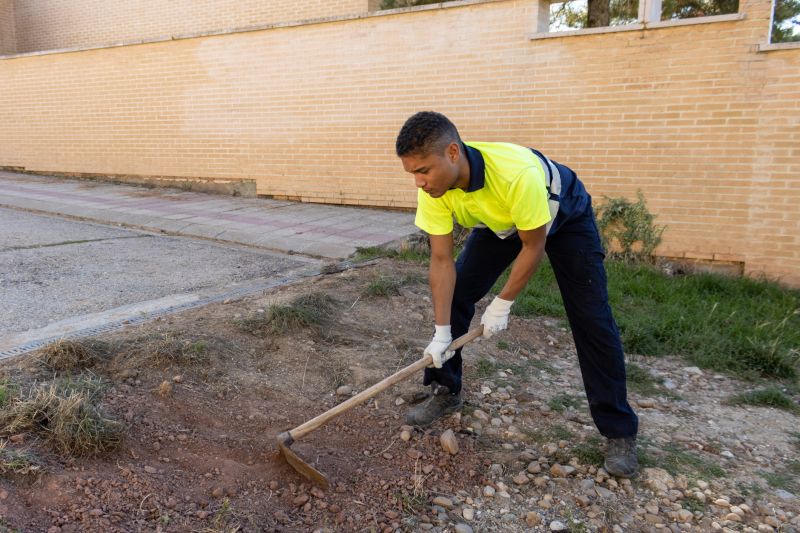
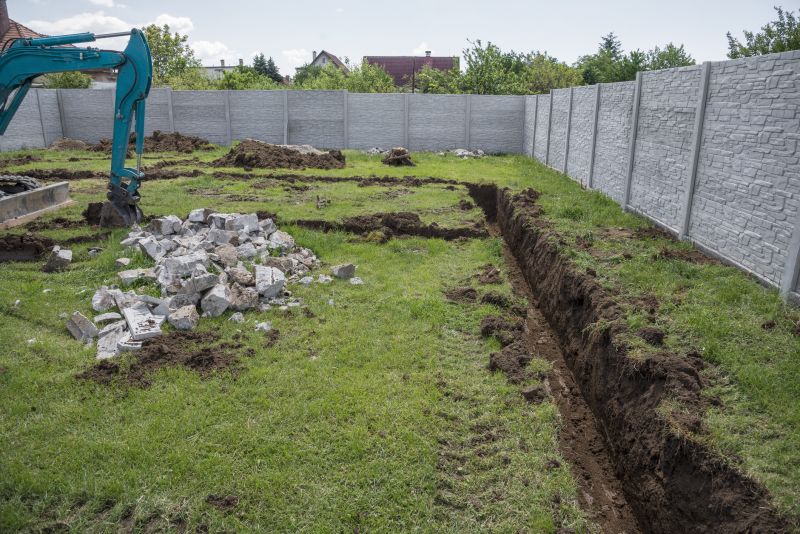
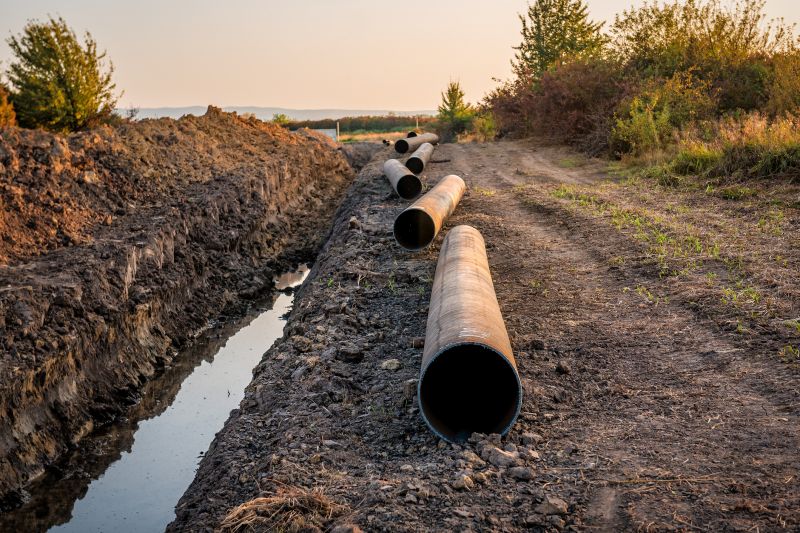
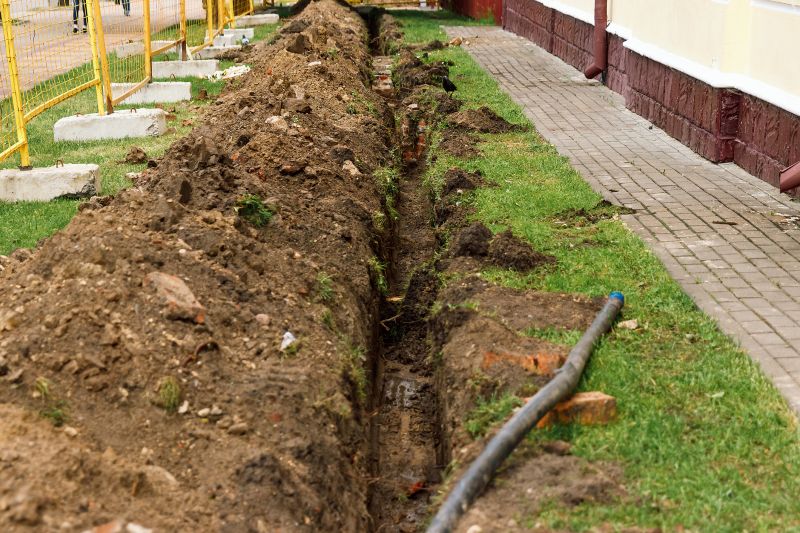
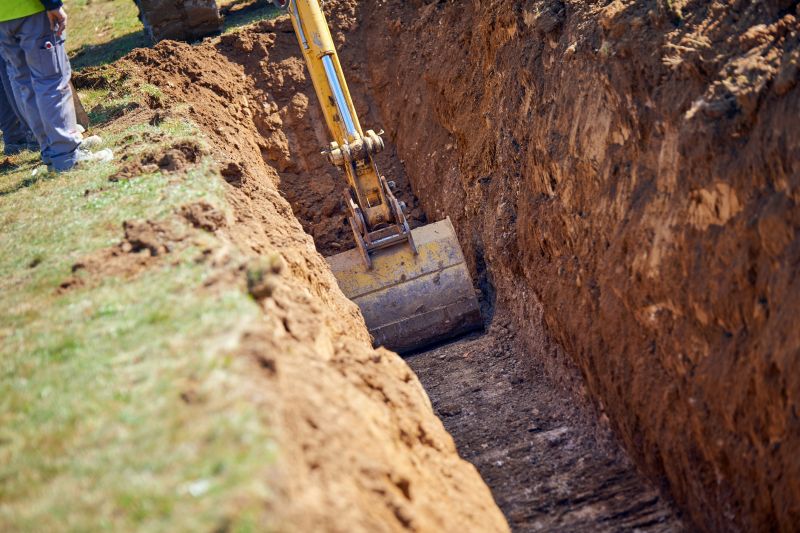
Trench clearing services are essential for maintaining proper drainage and preventing issues such as flooding, erosion, or plumbing backups. Local contractors and service providers who specialize in trench clearing typically handle tasks like removing blockages, excavating overgrown or collapsed trenches, and ensuring that underground utilities are accessible and safe. Property owners often seek out these professionals when preparing for new construction, repairing existing infrastructure, or addressing drainage problems that can arise from soil buildup or debris.
These local pros bring practical experience in working with various types of terrain and trench conditions. They are equipped to assess the situation, recommend suitable solutions, and perform the necessary clearing work efficiently. Whether dealing with routine maintenance or emergency situations, property owners can expect to connect with experienced service providers who understand the demands of trench work and can help keep underground systems functioning properly.
This guide provides an overview of trench clearing services to help visitors understand what to expect from local contractors. It offers tips for comparing different service providers and understanding the basics of trench clearing projects. This information aims to assist in making informed decisions and connecting with qualified local contractors.